

If your home is sitting on the market in Crestone or the San Luis Valley while other properties are getting attention, the issue is usually not luck. Pricing, presentation, access, and strategy all play a major role in how quickly a property sells. With the right preparation and local guidance, sellers can identify what is slowing momentum and make smart adjustments that attract serious buyers.
Selling a home can feel especially frustrating when nearby listings seem to move quickly and yours does not. In a unique market like Crestone and the broader San Luis Valley, buyers often compare value, condition, lifestyle fit, and ease of purchase very carefully. If your property is not getting offers, there is usually a clear reason—and the good news is that many of those issues can be fixed.
Whether you are selling a home, cabin, land parcel with improvements, or a distinctive retreat-style property, understanding what buyers notice first can help you reposition your listing. Here are some of the most common factors that can keep a house from selling in this market.
Your pricing does not match the local market
The most common reason a home does not sell is price. Sellers naturally want to protect their equity, but buyers in Crestone and surrounding areas tend to be highly value-conscious. They are comparing your property not only to active listings, but also to recent sales, condition, location, views, access, and utility setup.
If your home is priced above what the market supports, buyers may skip it entirely online before they ever schedule a showing. Even if they like the property, an inflated asking price can create hesitation and lead them to wait for a reduction rather than act quickly.
In a smaller market, overpricing can be especially costly because there are fewer buyers at any given time. Missing the right buyer during your first weeks on market can mean a much longer selling timeline.
Online valuation tools can be misleading in rural and niche markets. Automated estimates often struggle with custom homes, mountain properties, unusual acreage, off-grid features, or homes with limited comparable sales nearby. A local pricing strategy should reflect how buyers actually evaluate property in the San Luis Valley—not just what an algorithm suggests.
Your presentation is not helping buyers picture themselves there
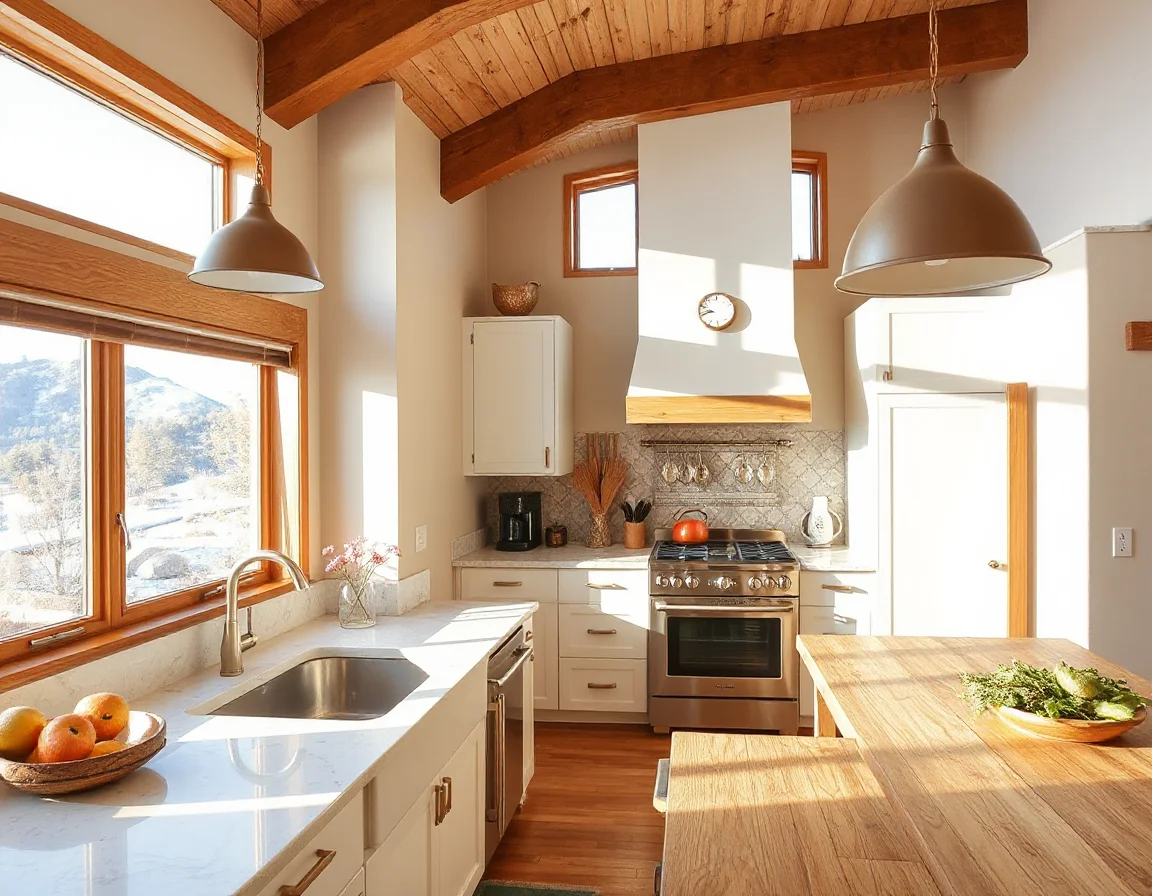
First impressions matter, and most buyers form them online. If your listing photos are dark, cluttered, poorly composed, or fail to show the property’s strongest features, buyers may never take the next step. In a market where lifestyle and setting matter, visuals should help people imagine the experience of living there.
That means more than simply cleaning up before photos. Rooms should feel open, calm, and purposeful. Personal items, excess furniture, and visual clutter can make spaces look smaller and distract from architectural details, natural light, or mountain views.
- Clear countertops, shelves, and entry areas.
- Reduce oversized or extra furniture that makes rooms feel tight.
- Store personal collections, paperwork, and seasonal items.
- Make sure outdoor spaces look maintained and usable.
For many sellers, the goal is not to erase personality—it is to remove distractions. Buyers need room to imagine their own routines, furnishings, and future in the home.
The property needs repairs or visible maintenance
Some buyers are open to projects, but most still want to feel confident that a home has been cared for. Small issues can create outsized concern. A sticking door, peeling paint, worn flooring, damaged trim, or outdated fixtures may seem minor to a seller, but buyers often interpret them as signs of larger deferred maintenance.
That concern can be even stronger in areas where weather, elevation, and rural infrastructure matter. Buyers may already be asking questions about roofs, heating systems, septic, wells, road access, or insulation. If the home also shows obvious cosmetic neglect, they may assume the bigger systems have not been maintained either.
Before listing, it often helps to address the repairs buyers will notice immediately. Even modest improvements can strengthen confidence and reduce objections during showings and inspections.
Showings are too limited or inconvenient
It is not always easy to keep a home ready for showings, especially if you still live there full-time. But if buyers cannot see the property when they are available, you may be losing opportunities. Limited showing windows, excessive notice requirements, or frequent cancellations can all reduce interest.
Many buyers visiting Crestone or the San Luis Valley are coordinating travel from other parts of Colorado or out of state. They may only have a short window to tour homes. If your property is difficult to access, unavailable on key days, or requires too many extra steps, they may move on to something easier to see.
Convenience matters. A serious buyer who cannot tour your property during their visit may not come back for a second chance.
Flexibility helps your listing compete. The easier it is for qualified buyers to experience the home in person, the better your chances of generating offers.
Your listing description is too generic
Photos get attention, but the listing description helps buyers understand why the property is worth seeing. If the description is vague, overly promotional, or missing important details, it may fail to answer the questions buyers are already asking.
In this market, buyers often want specifics. They may care about mountain views, solar exposure, studio space, meditation rooms, workshop potential, acreage usability, nearby trail access, or whether the property feels private while still being convenient to town. A strong description should highlight what makes the home distinctive in a clear, credible way.
Generic phrases like “must see” or “won’t last” do not add value. Useful details do. The more accurately your listing communicates the property’s strengths, the more likely it is to attract the right audience.
The home is not aligned with buyer expectations for the area
Every market has its own buyer expectations, and Crestone is no exception. Some buyers are looking for simplicity, natural beauty, and quiet. Others want a move-in-ready home with modern finishes and dependable systems. If your pricing, presentation, and marketing do not align with the type of buyer your property is best suited for, the listing can stall.
For example, a highly customized home may need marketing that explains its lifestyle benefits clearly. A modest home with exceptional land or views may need stronger emphasis on setting and long-term potential. A property with unique features should be positioned thoughtfully so buyers understand its value instead of seeing it as a question mark.
You may be too emotionally attached to the property
This is one of the hardest issues to recognize, but it can absolutely affect a sale. When a home holds years of memories, it is natural to feel protective. That attachment can show up in pricing decisions, resistance to feedback, unwillingness to declutter, or difficulty negotiating with buyers.
Sometimes sellers reject reasonable suggestions because they are seeing the home through personal history instead of current market conditions. Buyers, however, are evaluating the property based on value, condition, and fit for their own lives. The more objectively you can approach the process, the easier it becomes to make decisions that support a successful sale.
The right strategy can change the outcome
If your house is not selling, it does not automatically mean there is something fundamentally wrong with the property. More often, it means the market response is pointing to a mismatch in price, preparation, marketing, or access. Once you identify the issue, you can make targeted changes that improve buyer interest.
For sellers in Crestone and the San Luis Valley, local strategy matters. Rural inventory, unique homes, land characteristics, and buyer motivations all shape how a listing performs. Reviewing feedback, refreshing presentation, and adjusting your approach can make a meaningful difference.
The best next step is to evaluate your home the way buyers do: online first, then in person, then against competing options. When your pricing and presentation align with the market, your property has a much better chance of standing out for the right reasons.