


Renovating before you buy or sell in Crestone and Baca Grande can add comfort and value, but the wrong decisions can create delays, surprise costs, and issues during closing. The smartest updates are the ones planned with permits, realistic budgets, durable materials, and resale in mind. If you are preparing a home for the market or improving a property you plan to keep, a thoughtful renovation strategy protects both your investment and your timeline.
One of the best parts of homeownership is the ability to shape a property around the way you live. In Crestone and Baca Grande, that can mean anything from refreshing an older interior to improving outdoor spaces, updating systems, or making a home more functional for full-time living. For buyers and sellers alike, renovations can be exciting, but they can also affect value, marketability, and future negotiations.
Whether you are getting a home ready to list or planning improvements after a purchase, avoiding a few common mistakes can save time, money, and stress. Here are six home renovation mistakes buyers and sellers in the local market should work hard to avoid.
1. Forgetting about permits and property requirements
Permit issues are easy to overlook at the beginning of a project, especially when the work seems straightforward. But in a market like Crestone and Baca Grande, where buyers often pay close attention to land use, additions, outbuildings, and exterior changes, missing permits can become a real problem later.
If you are planning structural work, electrical or plumbing updates, major exterior changes, or additions, check local requirements before construction begins. Sellers should be especially careful here, because unpermitted work can raise questions during inspection and due diligence. Buyers taking on a fixer-upper should also verify what was done properly before assuming an older improvement is fully compliant.
A renovation that looks great in photos can still create friction in a transaction if the paperwork does not support the work. Clean documentation matters just as much as clean finishes.
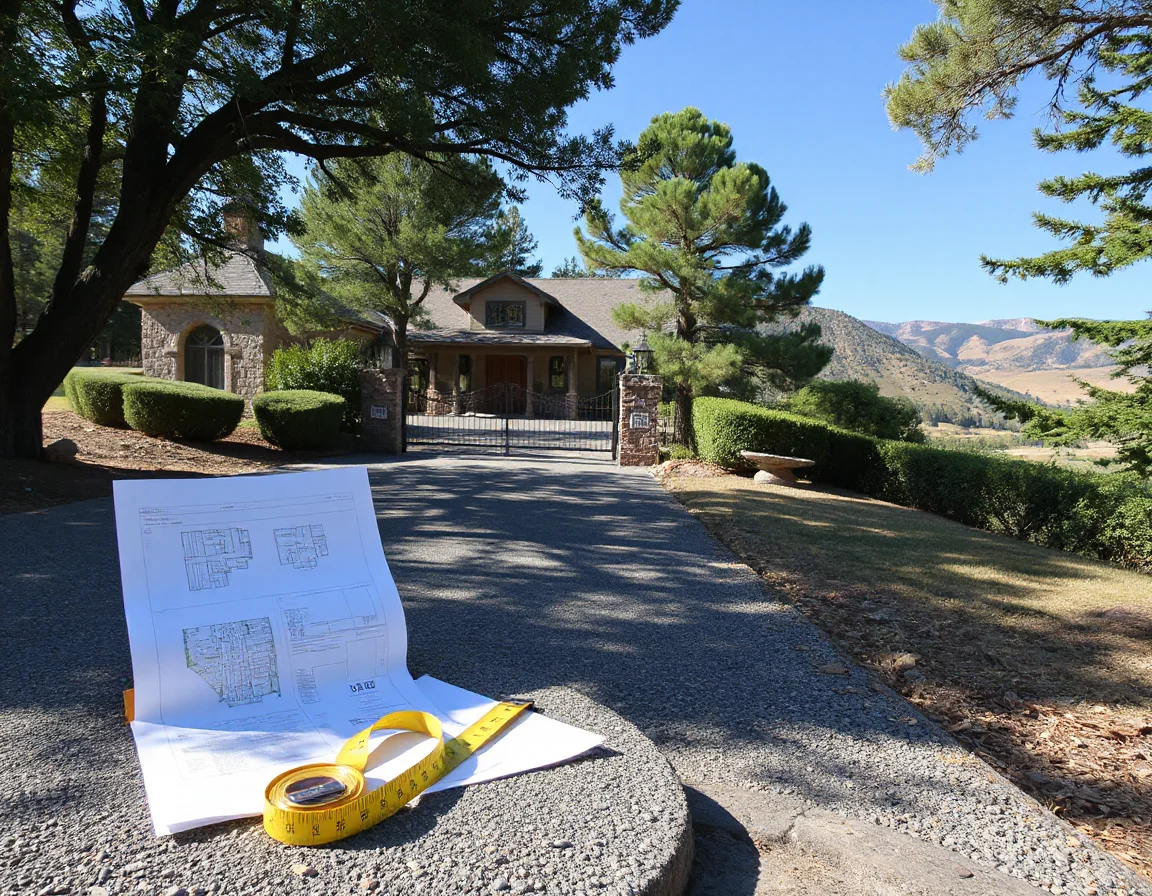
2. Creating an unrealistic budget
Almost every renovation costs more than the first estimate suggests. Materials change, labor costs shift, hidden conditions appear behind walls, and small upgrades add up quickly. That is true whether you are remodeling a kitchen before listing or updating a recently purchased home to better fit your needs.
In this market, budgeting carefully matters because over-improving a property can limit your return, while under-budgeting can leave a project unfinished at the worst possible time. Sellers should think about which improvements are most likely to help presentation and buyer confidence. Buyers should think beyond the purchase price and leave room for repairs, maintenance, and the unexpected.
A strong renovation budget includes a contingency fund. If you need every dollar to go exactly as planned, the project is probably underfunded from the start.
3. Buying the cheapest materials
It is tempting to cut costs by choosing the least expensive flooring, fixtures, windows, or cabinetry. Sometimes that works for a short-term cosmetic refresh, but often it creates more problems than it solves. Low-quality materials can wear out faster, photograph poorly, and make a home feel less cared for when buyers walk through.
For sellers, this is especially important. Buyers notice finishes, and they often use visible quality as a shortcut for judging the rest of the property. For buyers planning long-term ownership, spending a little more on durability can reduce replacement costs and frustration later.
The goal is not to choose the most expensive option. It is to choose materials that fit the home, hold up well, and support the value of the property over time.
Ask contractors where quality matters most. In many cases, investing in the surfaces and systems that get daily use will deliver a better result than trying to stretch a budget across too many low-end choices.

4. Skipping prep work
Preparation is not the glamorous part of renovation, but it often determines how smoothly the project goes. Protecting floors, covering furniture, setting up temporary living areas, and planning access for workers can make a major difference, especially if you are living in the home during construction.
For sellers, prep work also includes thinking ahead about how the renovation will affect listing timing, photography, and showings. A project that drags on because the space was not properly prepared can delay your market entry and create unnecessary stress. For buyers, good prep helps keep the rest of the home functional while work is underway.
The more disruptive the project, the more valuable good preparation becomes. A little planning up front can protect your belongings, your schedule, and your peace of mind.
5. Taking inaccurate measurements
Few renovation mistakes are as frustrating as ordering the wrong size materials or designing around incorrect dimensions. Cabinets that block appliance clearance, flooring shortages, oversized vanities, and poorly fitted doors can all create expensive delays.
This matters even more in homes with unique layouts, older construction, or custom spaces. In Crestone and Baca Grande, where properties can vary widely in design and setting, assumptions are risky. Measure carefully, confirm dimensions with your contractor, and double-check every order before materials are purchased or cut.
Accurate measurements protect both budget and momentum. They also help avoid the kind of last-minute compromises that can make a finished renovation feel less polished than it should.
6. Underestimating the mess and disruption
Even a modest renovation can disrupt daily life. Dust travels, rooms become unusable, deliveries pile up, and routines change. Kitchen and bathroom projects are especially challenging because they affect the spaces people rely on most.
Buyers who plan to renovate right after closing should think realistically about timing, storage, and temporary workarounds. Sellers should remember that active construction can make a home harder to show and harder for buyers to imagine enjoying right away. If the property will hit the market soon, it is often better to complete the work fully or postpone it rather than leave buyers with an unfinished project.
Set expectations early, protect adjacent spaces, and plan for inconvenience. Renovations are almost always messier than they look on paper, and being ready for that reality makes the process much easier to manage.
A smarter renovation supports your next move
The best renovations do more than improve appearance. They make a home more functional, more appealing to buyers, and easier to evaluate with confidence. Whether you are preparing to sell in Crestone or Baca Grande or buying a property with improvement potential, smart planning helps you protect your investment.
If you are weighing which updates are worth making before listing or trying to understand how renovation choices may affect resale, your agent or our team can help you think through the local market impact before you commit to the work.